07 May Of Decolonised Minds, African Perspectives & Indigenous Pathways
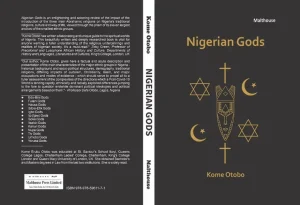
One of the most meaningful consequences of writing a book that explores Nigerian and African traditional religions, Nigerian and African spirituality, the enduring effects of colonialism and the transatlantic slave trade, and that raises questions about the decolonisation of minds, the existing structures centred around the major Abrahamic faiths, and what it means to be truly invested in your African country of origin, is connecting with people who are thinking/talking/reading about similar topics.
I’ve lost count of the number of people who have approached me wanting to discuss these issues, and each time I’ve been pleasantly surprised and honoured by the width and depth of our conversations.
I must admit that when
Nigerian Gods was published in 2022, I was worried about how it would be received, especially in Nigeria where Christianity and Islam are the two dominant religions. But, as it turns out, my fears were largely unfounded.
There is a definite trend towards Nigerians starting to ask more questions about our history, our culture, our heritage - and why many of our deep-rooted traditional beliefs have been abandoned, suppressed and in some cases, simply forgotten due to the passage of time and the passing of our elders.
I received an invitation to an event taking place on Wednesday 13 May 2026 at the 25th edition of the Nigeria International Book Fair. It’s a press conference and presentation of an anthology titled
Living Sustainably Here: African Perspectives on the SDGs. Volume 1 is titled
Paths to Knowledge: Production, Access, Literacy & Sustainable Development. Volume 2 is titled
Our Digital Lives and Indigenous Pathways. Volume 3 is titled
Africa Under Pressure: Literature, Energy, Equity, Justice & Security.
Published by Selina Publications, Volume 1 will be presented in print at the event, while Volumes 2 and 3 are currently in preview. They will be discussed and read from, but not released until July/August 2026.
If you’re in Lagos, this is a wonderful opportunity to get involved in this rapidly evolving ecosystem, and to enjoy the newly renovated National Theatre, now known as the Wole Soyinka Centre for Culture and Creative Arts.



No Comments